
Search
Human content, AI powered search.
Latest Stories
Newsletter

The Good Stuff.
A monthly note from KICK KICK SNARE.

Our Stories Didn't Match. They Rhymed.
Every music fan has one album that permanently rearranged the furniture inside their brain. Mine arrived in 1995. It was Dewdrops in the Garden by Deee-Lite. I was seventeen, and thirty years later, nothing has taken its place.
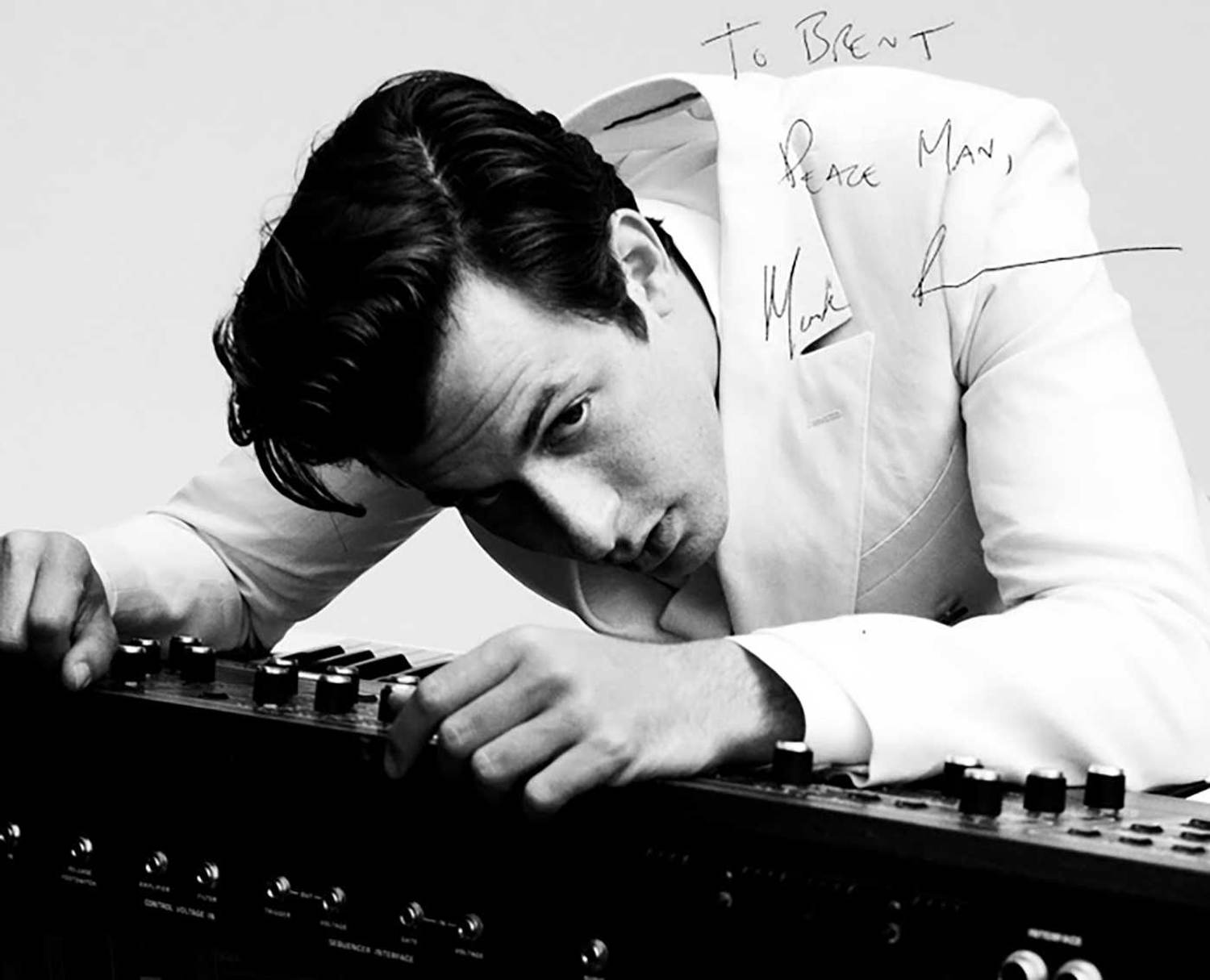
Last week, I listened to Night People: How to Be a DJ in '90s New York City, read by Mark Ronson himself. I came for stories about New York clubs, DJ booths and the people who built one of the most influential music scenes of the decade. Then I started recognizing pieces of my own life.
The memoir had started sending me backward. Mark starts talking about Supa DJ Dmitry. Then On-E. Before long, I'm smiling because I know exactly who these people are.
Back in 1995, a friend put on Dewdrops in the Garden. I can still remember the feeling of hearing it for the first time. More than anything, I remember feeling robbed. The album had already been out for a year before I found it, and I couldn't believe I'd almost missed something that would become my favorite record of all time. It has held that spot ever since.
Hearing Mark casually talk about discovering the very people behind that album from across a DJ booth in New York created a strange little overlap between two completely different musical journeys. Then I noticed the Deee-Lite T-shirt he was wearing while recording the audiobook. Of course he was.
We came from completely different worlds. His happened in Manhattan clubs. Mine unfolded editing songs for a dance studio, teaching myself Pro Tools, learning to DJ, and making the drive to Los Angeles almost every weekend for raves. Those years between 1996 and 1999 happened mostly off the record. At the time, I didn't even know who Mark Ronson was. We were falling in love with the same culture from opposite sides of the country.
Our stories didn't match. They rhymed.
Years later, Mark would introduce me to Back to Black by Amy Winehouse, one of the defining records of my life. That same era also brought Alright, Still by Lily Allen, another album I wore out, before his own Version became a fixture in my collection.
One line from Night People stayed with me more than anything else:
"Part of what made our era so special was the absence of surveillance. People were completely in the moment."
Nobody was documenting every night out. Nobody was thinking about the perfect photo or the perfect caption. Concerts, clubs and friendships had our full attention because there was no screen in our pocket asking for it.
We were just... there. The memories only had to be lived.
I finished Night People thinking about a version of music culture that existed before algorithms, before smartphones, before every unforgettable night came with an unspoken expectation to prove it happened. I didn't finish the memoir wishing I'd lived Mark Ronson's life. I finished it feeling grateful for my own.
If music found you before the internet told you what to love, there's a good chance you'll find a little of yourself in these pages too.

The Top 5
1
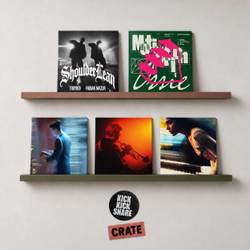
CRATE Pulls of the Week
Oct 14, 2026
2

Sofia Camara – “Unlike You”
Oct 13, 2026
3
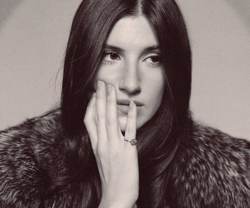
Sydney Ross Mitchell – “Lucky Nights”
Oct 13, 2026
4
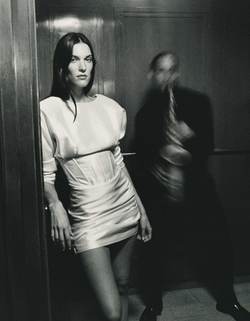
Charlotte Cardin – “Memories”
Oct 12, 2026
5
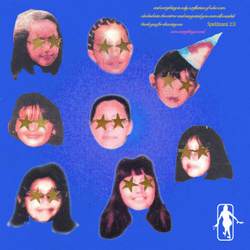
Sparklmami – “si”
Oct 12, 2026
POP IS THE STARTING POINT
✦
NOT THE BOUNDARY
✦
DISCOVER SOMETHING NEW
✦
POP IS THE STARTING POINT
✦
NOT THE BOUNDARY
✦
DISCOVER SOMETHING NEW
✦
POP IS THE STARTING POINT
✦
NOT THE BOUNDARY
✦
DISCOVER SOMETHING NEW
✦
More for you
The Good Stuff.
A monthly note from KICK KICK SNARE.