
Search
Human content, AI powered search.
Latest Stories

Newsletter

The Good Stuff.
A monthly note from KICK KICK SNARE.


EXIT STAGE LEFT
FADE IN:
EXT. BUCHANAN STREET - GLASGOW - DUSK
The evening air carries just enough chill to remind you you're in Scotland. Buchanan Street stretches ahead like an exquisitely dressed stage; sandstone buildings catching the last of the daylight, glowing shopfronts tucked beneath centuries-old architecture, every block composed with almost suspicious precision.
At the end of the street, the Royal Concert Hall waits patiently.
DISSOLVE TO:
INT. ROYAL CONCERT HALL - CONTINUOUS
Final conversations drift through the rows, and a rich velvet curtain stretches from wall to wall, quietly guarding whatever waits behind it. Downstage, three music stands and three chairs wait without explanation.
USHER
(with a smile)
Row B. Right this way.
We find our seats as the theatre settles around us.
HOUSE LIGHTS DIM.
Three cellists step into the light. Bows rise.
ACT I
OVERTURE
The opening notes catch the room almost by surprise. Then a melody reveals itself. Then another. “Smile.” “The Fear.” “Not Fair.” Lily Allen's catalogue has been handed over to three cellists, who turn songs we've known for years into elegant string arrangements that sound completely at home inside a concert hall.
Above them, lyrics appear on a projection screen with what initially feels like an unusually bold request: sing.
So we do.
Entire rows become an unexpected chorus, phones held high to capture the moment as the lyrics roll across the screen. It should feel a little forced. It doesn't. There is a wonderful absurdity to a room full of people singing “Not Fair” over three cellos with the seriousness of a national anthem. Nostalgia arrives without the evening ever getting stuck in it.
And then the brilliance of the overture becomes clear. Lily knows exactly why many of us bought the ticket. She also knows exactly what she came here to perform. So before she ever steps onstage, she gives us the singalong. “Smile,” “The Fear,” “Not Fair”: present and accounted for. Everybody gets their moment.
Then she clears the stage.
The hits have had their bow. West End Girl gets the rest of the night.
AND WE CUT TO:
ACT II
WEST END GIRL
OVER BLACK.
The music begins. The applause arrives before she does.
The curtain parts and LILY ALLEN steps through. Then it closes behind her.
There she is.
Sharply tailored Chanel suit. Microphone in hand. A single spotlight. And that smile, taking in the audience as she begins West End Girl. After years of listening to Lily Allen, there is something genuinely thrilling about suddenly having her right there in front of you. She doesn't need an elaborate entrance. Her arrival is the elaborate entrance.
For those opening minutes, the simplicity only magnifies her presence. Lily smiles out at the room, sings, takes us in as we're taking her in. The connection is immediate. It's intimate and strangely spectacular at the same time, the kind of entrance that reminds you charisma is considerably harder to manufacture than scenery.
Then a telephone rings.
Lily crosses the stage, takes a seat on a narrow flight of steps and answers. A conversation begins. With the ease of a magician changing the trick while you're still watching their hands, the evening changes form. The concert disappears. We're watching theatre now.
The call ends.
CURTAIN UP.
And suddenly, West End Girl has a world to move through.
From that moment forward, the stage seems to have its own choreography. Rooms slide into place and disappear again. Furniture arrives precisely when the story calls for it. Stagehands move through scenes with such precision that the transitions become part of the pleasure, each one carrying Lily seamlessly into the next chapter. Above it all, WEST END GIRL glows in neon.
The album unfolds without giving up its secrets here. Relationships fracture. Suspicions become discoveries. Punchlines arrive with bruises attached. A lyric that made you laugh through headphones can draw a completely different reaction when Lily is standing inside the circumstances that produced it. And through every turn, the production knows where to direct your eye without telling you what to think.
Every prop has a job. Lighting cues redirect the eye before you realize you've been redirected. Costumes change with the story rather than merely dressing it. The whole production has been engineered around one woman at its center, recounting the spectacular collapse of her marriage with enough theatrical precision to make you briefly forget this all actually happened to her.
Briefly.
Because underneath the moving rooms, the neon, the costume changes and Lily's devastatingly good timing is the one detail no amount of theatre can transform:
It did.
CUT TO:
CURTAIN CALL
HOUSE LIGHTS FADE TO A LOW WARM WASH. STAGE LIGHTS RISE ON CENTER.
Lily stands center stage.
The applause hasn't stopped since the final note. Now it swells, filling the Royal Concert Hall as Lily receives the full force of what she's just created.
Watching West End Girl performed this way gives the album a body. Songs that once existed through headphones now have rooms attached to them. Doors. Furniture. Costumes. Phone calls. People entering and leaving at precisely the wrong moment. Details that felt almost impossibly specific on record become physical in front of you, and the architecture of the album suddenly makes even more sense.
There is an extraordinary contradiction at the center of all this. We've just spent the show laughing, gasping and hanging on every turn in the spectacular collapse of Lily Allen's marriage. There were moments when the entire room seemed to collectively think, Oh, fuck him. And Lily, because she is Lily, knows exactly how absurd that arrangement is. She's taken an experience that must have been excruciating to live through and built a gorgeous night at the theatre out of it.
Then, right on cue, one final piece of stagecraft: a giant bouquet of flowers is placed in Lily's arms. It's clever, deserved and perfectly in keeping with a show where even the curtain call understands its role. Lily faces the audience one last time and curtseys.
Then our West End Girl exits stage left.
THE VELVET CURTAIN GLIDES TO A CLOSE.
ENCORE
The applause continues, then gradually gives way to the sound of a theatre returning to itself. House lights rise. Conversations pick up across the rows.
West End Girl already had everything the stage needed. The characters were there. So were the locations, the dialogue, the tension, the devastating reveals and, crucially, the jokes. The production knew exactly how to translate it.
That's the achievement of the show. For all its moving sets, neon signs, Chanel suits, ringing telephones and immaculate choreography, none of it feels imposed on West End Girl. The production makes visible what Lily had already written into the record.
And Lily understands the value of letting every detail land. The show trusts the songs, the story and, most importantly, the audience. Nothing gets explained twice. Nothing gets dressed up just to prove how much theatre can fit on one stage. Every flourish earns its place because it brings us further inside the album.
By the end, West End Girl feels even more ambitious than it did before: Lily didn't write a record that needed to be turned into theatre; she wrote one that was waiting for the curtain to rise.
FADE OUT.
EXT. BUCHANAN STREET - GLASGOW - NIGHT
Outside, Glasgow has gone dark.
The Royal Concert Hall glows behind us as we step back onto Buchanan Street. The crowd begins to disperse into the quiet Glasgow night.
And with that, we make our own exit stage left.
END SCENE.
IRIS OUT:
THE END

The Top 5
1
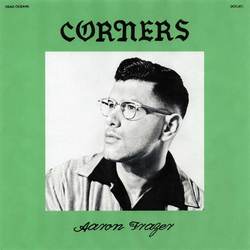
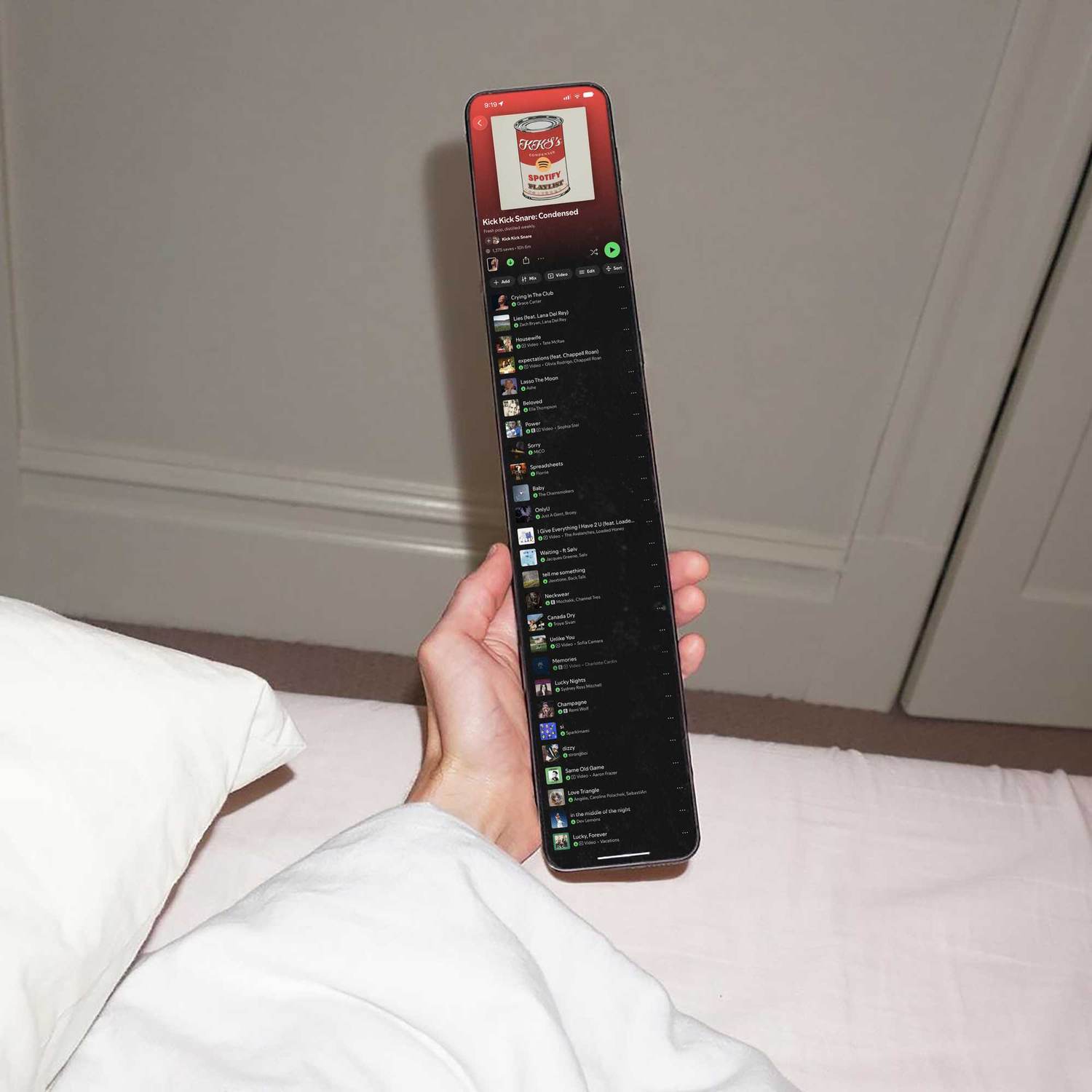
Aaron Frazer – “Same Old Game”
Oct 15, 2026
2
CRATE Pulls of the Week
Oct 14, 2026
3

Sofia Camara – “Unlike You”
Oct 13, 2026
4

Sydney Ross Mitchell – “Lucky Nights”
Oct 13, 2026
5
Charlotte Cardin – “Memories”
Oct 12, 2026
POP IS THE STARTING POINT
✦
NOT THE BOUNDARY
✦
DISCOVER SOMETHING NEW
✦
POP IS THE STARTING POINT
✦
NOT THE BOUNDARY
✦
DISCOVER SOMETHING NEW
✦
POP IS THE STARTING POINT
✦
NOT THE BOUNDARY
✦
DISCOVER SOMETHING NEW
✦
More for you
The Good Stuff.
A monthly note from KICK KICK SNARE.